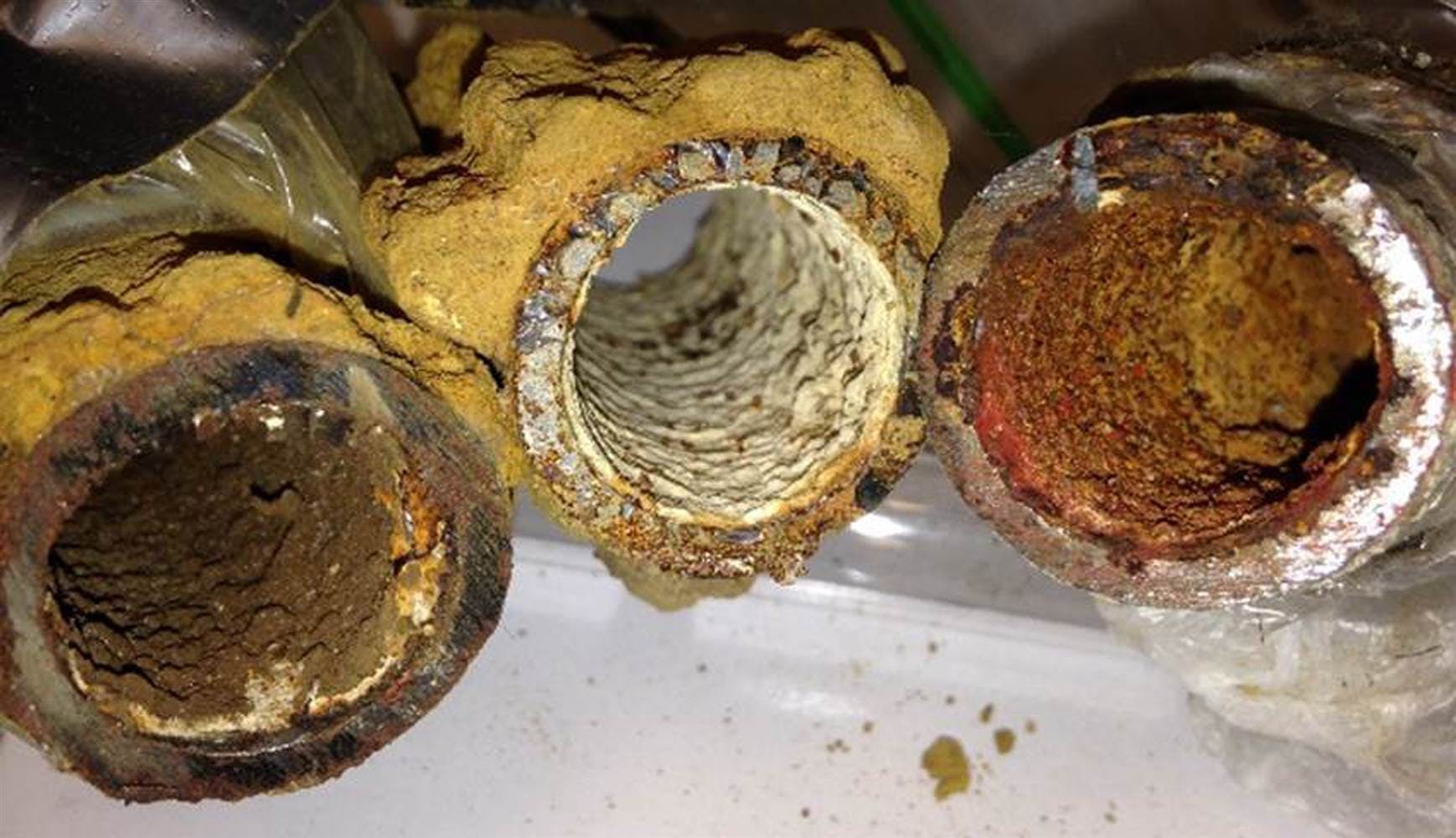
On April 25, 2014, officials looking to save money switched Flint, Michigan’s drinking water supply from the Detroit city system to the Flint River. This new water was highly corrosive. Because city and state officials broke federal law by failing to treat it, lead leached out from aging pipes into thousands of homes.
Soon after the switch, Flint residents complained about dark-colored, foul-tasting, smelly water as well as skin rashes and hair loss. Independent tests found that a significant proportion of samples had lead levels well above the “action level” for lead set by the U.S. Environmental Protection Agency. In fact, some samples showed lead levels more than 100 times the action level. Some 9,000 children, who are particularly sensitive to lead and its effects, were exposed to contaminated water.
As more and more citizens voiced their concerns, state officials were “callous and dismissive,” according to a report by the independent Flint Task Force, established by Michigan’s governor Rick Snyder in October 2015. Government officials acknowledged a problem only after residents elevated public awareness and garnered national attention, but unfiltered tap water remained unsafe to drink, and not enough was being done to ensure that all Flint residents had safe drinking water at home.
In January 2016, Concerned Pastors for Social Action, Flint resident Melissa Mays, NRDC, and the ACLU of Michigan filed a lawsuit to compel the City of Flint and Michigan state officials to follow federal Safe Drinking Water Act requirements for testing and treating water to control for lead and to order the prompt replacement of all lead water pipes at no cost to Flint residents.
In November 2016, the federal court ordered Michigan state officials and the City of Flint to ensure that every Flint home had access to safe drinking water. Until that point, the burden of tracking down safe drinking water daily had been on residents, an exhausting struggle that disrupted their lives. The court ordered that Flint homes must receive bottled water delivery unless the government verifies, on a regular basis, that the home has a properly installed and maintained faucet filter, or the home declines delivery.
Despite this ruling against them, and despite our efforts to force the city and state to comply with the court order, they refused, citing “financial, logistical, and practical difficulties...” In December 2016, the court appointed a mediator to help resolve the issues in the case related to providing Flint residents with safe drinking water. And finally, in March 2017, the city of Flint and state of Michigan agreed to replace the lead service lines and institute an effective lead-monitoring system.